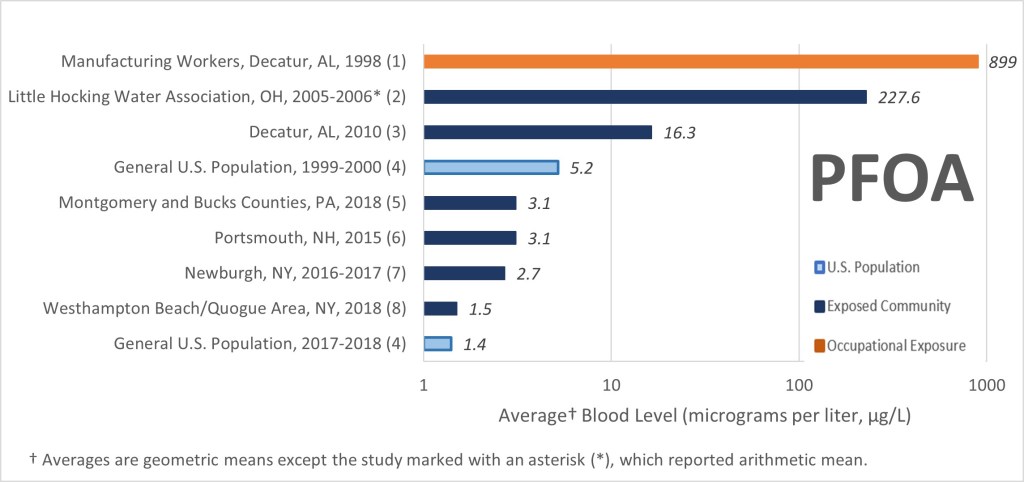
The worldwide use of PFAS has resulted in public and regulatory concerns due to the release of these persistent chemicals into the environment. The very characteristics that made PFAS attractive in industrial applications—stability and resistance to chemical, thermal, or biological degradation—have made them problematic.
PFAS bioaccumulate is believed to create human health risks at very low concentrations in drinking water. How PFAS impacts human health and the environment have made it the subject of ongoing research and media attention.
It is now recognized that some PFAS present potential risks to human health and the environment. The very characteristics that made PFAS attractive in industrial applications—stability and resistance to chemical, thermal, or biological degradation have made them environmentally problematic. PFAS behaviors pose challenges when assessing and addressing them in the world around us.
Although toxicological data are generally limited for most PFAS, exposure has links to the following medical conditions:
- Disrupted fetal and child development
- Decrease fertility and interference with the body’s natural hormones
- Increased cholesterol
- Immune system disorders
- Increased risk of some cancers
Filter your drinking water for safer drinking water. click below
 Safer Drinking Water
Leave a comment